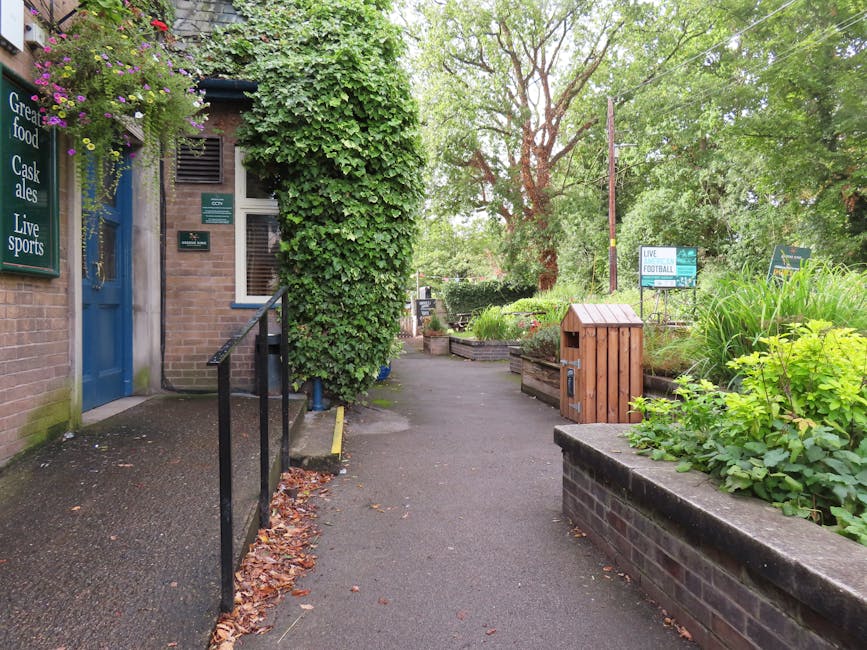
Commercial gardeners for Harlington shops and offices

If you manage a shopfront, office building, small business park, or shared commercial entrance in Harlington, you already know the outside space speaks before anyone opens the door. A neat verge, clipped hedge, weed-free paving, and healthy planting can make a place feel organised and cared for. That is exactly where Commercial gardeners for Harlington shops and offices come in.
Commercial grounds need a different approach from domestic gardens. They have more foot traffic, tighter access windows, higher expectations around presentation, and a stronger need for reliability. In our experience, the best results come from a service that thinks like a facilities partner, not just a pair of hands with a mower. This guide explains how commercial garden care works, what to ask for, where the value really lies, and how to avoid the small oversights that create bigger problems later. Truth be told, a tidy exterior can do more for first impressions than a polished signboard ever will.
Why Commercial gardeners for Harlington shops and offices Matters
For a local business, the garden or external planting area is not decoration in the casual sense. It is part of the working environment. Customers notice tired beds, overgrown hedging, mossy paving, dead planters, and litter trapped in borders. Staff notice them too, especially when they arrive in the morning and the place already feels neglected.
Commercial gardeners help solve a practical problem: keeping outdoor areas consistently presentable without disrupting business. That consistency matters. A one-off tidy-up can make a site look good for a day. Ongoing commercial maintenance keeps it that way through wet weeks, warm spells, leaf fall, and the usual British surprise weather that seems to turn up just when you have a customer visit planned.
Harlington businesses also tend to work around limited access, parked vehicles, delivery schedules, and shared entrances. A commercial gardener understands that reality. They plan around people, not just plants. That means less mess, less noise at the wrong time, and fewer awkward moments with staff or visitors having to step around tools and clippings.
There is another angle that people sometimes forget: risk. Slippery paths, encroaching shrubs, poor visibility near entrances, and unchecked ivy can all become annoying or unsafe. Regular upkeep reduces those issues before they grow into complaints, costs, or insurance headaches.
Expert summary: Commercial garden care is about appearance, access, safety, and reliability in equal measure. If one of those slips, the whole site starts to feel less professional.
How Commercial gardeners for Harlington shops and offices Works
The process usually starts with a site review. That can be a quick walkaround or a more detailed look at entrances, hard landscaping, planting beds, lawns, hedges, planters, and any awkward areas such as narrow side access or roof terraces. The aim is simple: work out what needs regular attention, what can be improved, and what should be left alone because it is already healthy and low-maintenance.
From there, a commercial maintenance plan is built around the site's needs. For some businesses, that means weekly grass cutting and litter clearance. For others, it might be monthly hedge trimming, seasonal planting refreshes, patio cleaning, and occasional tree work. The best plans are not overcomplicated. They are practical, predictable, and easy for the site manager to approve without ten separate back-and-forth emails.
A good service also separates routine tasks from one-off improvements. Routine work keeps the site presentable. Improvement work tackles the deeper issues: compacted soil, exhausted planters, patchy lawns, overgrown shrubs, or a layout that simply does not suit the building anymore. If you need a broader scope of support, a provider with general gardening services can usually adapt a maintenance plan so it does not become a patchwork of disconnected jobs.
Most commercial clients also benefit from agreed visit windows. Early mornings work well for many offices. Shops often prefer quieter periods, before opening or after the rush. That way, gardening activity supports the business instead of competing with it.
And yes, the boring bit matters too: documentation. Clear quotes, agreed scopes, safe working practices, and simple reporting all help keep everything smooth. Nobody wants to discover halfway through summer that a "regular tidy" actually meant something very different to each person involved.
Key Benefits and Practical Advantages
The obvious benefit is appearance, but the real value goes deeper than that.
- Better first impressions: A well-kept exterior signals that the business pays attention to detail.
- Safer access: Clear paths, trimmed growth, and controlled weeds reduce trip and slip risks.
- More usable space: Outdoor frontage, courtyards, and rear service areas can be made easier to manage and nicer to use.
- Lower long-term repair pressure: Routine care often prevents the need for more drastic interventions later.
- Seasonal continuity: Beds and planters can be refreshed through the year so the site never looks empty or forgotten.
- Less staff distraction: Your team can focus on work instead of arguing over who should deal with the ivy round the back.
There are also softer business advantages. A tidy exterior can support customer confidence, improve staff morale, and make a place feel more welcoming for deliveries, visitors, and regulars. People may not say it out loud, but they notice when the surroundings are cared for. They really do.
For many shops and offices, one of the biggest advantages is predictability. Commercial gardeners are used to repeat visits, consistent standards, and working to an agreed brief. That means less reactive scrambling and fewer emergency callouts when the hedging suddenly starts making the entrance feel half the width it should be.
If your site has a lawned frontage, consistent mowing and edging can keep the whole area feeling crisp and intentional. For spaces where paving and hard surfaces dominate, patio cleaning and weed control can make a dramatic difference without changing the layout at all.
Who This Is For and When It Makes Sense
This service is a strong fit for a wide mix of commercial sites in Harlington. The common thread is simple: if outdoor presentation affects how your business is seen or used, regular garden care is worth considering.
Typical users include:
- independent shops with frontage planting or window box displays
- office buildings with entrance beds, courtyards, or shared green areas
- business parks and trade units that need clear, tidy access routes
- landlords and property managers responsible for commercial external areas
- clinic, salon, and hospitality premises where atmosphere matters
- sites with hedging, tree cover, or seasonal planting that needs steady maintenance
It makes sense to bring in a commercial gardener when any of these start happening:
- the site looks uneven from one week to the next
- staff are doing ad hoc maintenance with no clear schedule
- weeds, moss, or ivy keep returning
- hedges, shrubs, or climbers are affecting visibility
- customers or visitors comment on the outside appearance
- the site manager keeps firefighting instead of planning
Sometimes the trigger is seasonal. Spring growth can run away with you. Autumn leaf drop can make even a neat site look untidy in a matter of days. Winter is its own story, with damp surfaces, stripped planting, and tired-looking borders. A steady schedule handles those shifts before they become messy.
For sites with bigger planting ambitions, a gardener may also suggest structural changes such as better spacing, lower-maintenance planting, or more resilient edging. If the current layout is fighting you at every turn, a bit of redesign may save time and money in the long run. Not glamorous, perhaps, but sensible.
Step-by-Step Guidance
If you are deciding how to manage commercial garden care for a shop or office, the following approach keeps things clear.
- Assess the site honestly. Walk the whole exterior at different times of day. Look for blocked sightlines, weed growth, overflowing planters, patchy grass, and areas where dirt collects near entrances.
- Identify priorities. Separate what affects safety, what affects appearance, and what can wait. A cracked planter is not the same as a loose step, and neither is the same as a tired flower bed.
- Set a maintenance rhythm. Decide whether the site needs weekly, fortnightly, or monthly visits. Some places need little and often; others are better served by seasonal work with a few targeted visits.
- Agree on scope. Be clear about mowing, hedge trimming, weeding, leaf clearance, pruning, planting refreshes, and any hard-surface cleaning.
- Choose access windows. Commercial sites work best when visits avoid deliveries, peak customer hours, or confidential office activity.
- Document expectations. A short written brief is enough for most sites. It should cover tasks, access instructions, waste removal, and any safety concerns.
- Review after the first few visits. Does the routine match the site's real needs? Are there areas being overlooked or over-serviced? Adjusting early is much easier than correcting months later.
One practical tip: if the site has multiple zones, treat them differently. The front entrance may need polished, visible care. The back or side access might need tougher, more functional maintenance. One size never quite fits all here.
If the site includes hedges, do not wait until they are blocking light or access. A regular trimming routine keeps growth balanced and reduces the need for heavy cuts. For businesses with boundary planting or street-facing greenery, hedge trimming in Harlington can be a straightforward way to keep things under control.
Expert Tips for Better Results
The biggest improvements often come from small decisions. Nothing flashy. Just sensible choices made early.
Use planting that suits the site, not just the photo. A glossy display plant may look great in May and awful by August if the spot is windy, shaded, or dry. Commercial settings reward hardy, repeatable choices. If you want greenery that gives useful coverage with less fuss, a service can suggest options with more staying power, including ideas similar to the thinking behind ground cover planting ideas.
Choose structure first, colour second. In commercial settings, structure keeps a site looking composed even when flowers are out of season. Hedges, evergreen shrubs, and low-maintenance borders usually give the best year-round framework.
Keep clutter out of sight. Bagged leaves, spare pots, broken canes, and unused compost sacks can make a tidy garden look messy fast. It is amazing how quickly a neat site loses its polish if the storage area looks like a tiny storm passed through.
Think in layers. A good frontage often has low planting, mid-height structure, and a few taller accents. That gives depth without crowding the space. If you are aiming for privacy or screening in part of the site, useful options can be found in the thinking behind fast-growing hedge ideas.
Plan for weather, not against it. Harlington weather can be perfectly pleasant one morning and annoyingly windy the next. Borders, stakes, ties, and exposed planters should all be chosen with that in mind. A bit of weather-proofing saves a lot of restaging.
Keep records of what works. A site log sounds dull, but it helps a lot. If a particular planter dries out too quickly, or one bed always gets fungal issues, the pattern becomes visible. Then it can be fixed, not just re-litigated every month.
Also, leave room for seasonal breathing space. Not every corner needs a plant in it. Some commercial sites look better with a little restraint. Calm can be powerful. Who knew?
Common Mistakes to Avoid
Commercial garden care tends to go wrong in a few predictable ways.
- Waiting too long to start: By the time a site looks messy, the fix often takes longer and costs more than simple maintenance would have.
- Ordering one-off work only: A tidy-up without follow-up can reset the site for a few days, then the problems creep right back.
- Overplanting: Too many plants in a small space can create crowding, moisture traps, and extra maintenance.
- Ignoring access routes: It is easy to focus on the front display and forget side paths, bin areas, or rear entrances.
- Using the wrong plant choices: Fragile or high-maintenance species can create unnecessary workload.
- Skipping communication: If the gardener does not know about deliveries, opening hours, or special events, awkward interruptions are almost guaranteed.
- Forgetting hard landscaping: A neat border beside a filthy path still looks unfinished.
Another common issue is trying to make the site look like a domestic garden. That often backfires. Commercial spaces usually work better with cleaner lines, stronger structure, and simpler maintenance logic. The goal is polished and practical, not cottage chaos. Charming in a back garden, less charming beside the office door.
If ivy is taking over walls, fences, or service areas, tackle it early rather than treating it as a decorative feature. Left alone, it can become a persistent problem. There is a useful resource on this in getting rid of ivy properly.
Tools, Resources and Recommendations
The right tools make a commercial site easier to maintain, but the real advantage is consistency. A professional team will typically use equipment suited to the scale of the job, the time available, and the type of surfaces involved.
Useful tools and equipment often include:
- commercial mowers and edging tools for larger or repeat-cut areas
- hedge trimmers for shaping boundaries and screening
- pruning tools for shrubs, climbers, and seasonal tidy-ups
- leaf blowers or collection tools for clearing entrances and paths
- pressure or surface-cleaning equipment where hard landscaping needs attention
- basic hand tools for planting, deadheading, and detail work
- spares for ties, stakes, compost, and replacement planting
If you want to understand the practical side of maintaining a site rather than just admiring the result, it helps to think in terms of routine, access, and upkeep. For office grounds with lawns, lawn care support can make a noticeable difference to turf density, colour, and resilience. For sites where the grass is the focal point, regular lawn mowing remains one of the simplest ways to keep things sharp.
For mixed-use premises, additional services can be useful too. Routine garden maintenance helps tie everything together, while landscaping can improve layout, drainage, or circulation if the current space is awkward. On more complex sites, tree, fencing, or decking issues may need a broader view rather than piecemeal fixes.
A final recommendation: ask for a plan that matches the site's actual rhythm. A busy shopfront and a quiet office courtyard do not need the same level of intervention. That sounds obvious, but it is the sort of obvious thing that gets missed when people rush.
Law, Compliance, Standards, or Best Practice
Commercial garden work in the UK should always be handled with sensible attention to safety, access, waste handling, and public-facing risk. The exact obligations depend on the site and the work being done, so it is best to treat compliance as a working habit rather than a box-ticking exercise.
For shop and office environments, that usually means the following:
- maintaining clear and safe walkways during work
- using appropriate equipment for the task and the location
- planning around staff, visitors, and deliveries
- removing green waste or storing it safely until collection
- keeping any higher-risk work properly controlled
- communicating access needs, hazards, and restrictions in advance
If a site includes trees, fence lines, uneven ground, or hard surfaces that affect footfall, the work should be planned carefully. Some tasks may require more than routine maintenance, and that is where a contractor's method matters. A transparent health and safety policy and appropriate insurance and safety arrangements are worth asking about early, not after the first problem.
Other useful trust signals include clear terms and conditions, straightforward pricing and quotes, and sensible payment and security processes. For any business with contractors coming and going, these basics reduce misunderstandings and make everything easier to manage.
There are also broader ethical and operational expectations worth respecting. If a provider publishes a modern slavery statement, privacy policy, cookie policy, or accessibility statement, it shows the business is thinking beyond the garden itself and taking trust seriously.
And if the service ever falls short, a clear complaints procedure matters more than people realise. No one enjoys using it, obviously. But knowing it exists gives peace of mind.
Options, Methods, or Comparison Table
Not every commercial site needs the same kind of garden support. Some want high-frequency maintenance. Others need occasional improvement work and a lighter touch after that. The right fit depends on the site's size, visibility, and the amount of planting involved.
| Approach | Best for | What it usually includes | Typical downside |
|---|---|---|---|
| Reactive call-outs | Sites with rare gardening needs | One-off tidies, urgent fixes, emergency clearance | Standards can drift between visits |
| Scheduled maintenance | Shops and offices needing steady presentation | Routine mowing, weeding, trimming, seasonal checks | Needs a clear brief and agreed access times |
| Seasonal improvement plan | Sites that are already manageable but need occasional upgrades | Spring refreshes, autumn clearance, planting changes | Can miss problems that appear between visits |
| Full grounds management | Larger commercial or multi-entrance sites | Ongoing care, reporting, planting strategy, hard-surface upkeep | May be more service than a small site actually needs |
In plain English: if your site is small and visible, scheduled maintenance is often the sweet spot. If it is larger or has several zones, a broader grounds plan tends to work better. And if you are still unsure, start with a clear maintenance visit and build from there. There is no prize for overcomplicating the first step.
Case Study or Real-World Example
Imagine a small office building near Harlington with a front entrance bed, two planters by the door, a narrow side path, and a modest lawn patch at the back. Nothing dramatic. Yet each season the same problems keep returning: weeds in the paving joints, a hedge that starts shading the windows, and planters that look tired by midsummer.
At first, the team handles it internally. Someone waters the pots, someone else trims the edge, and every now and then a staff member spends ten minutes pulling weeds before a meeting. It works, sort of. But the result is patchy, and the workload lands on whoever is least busy that day. Which is never ideal.
A commercial gardener changes the pattern. The front entrance is put on a simple monthly schedule. The hedge is trimmed before it blocks light. The planters are refreshed seasonally with tougher planting. The paving is cleaned so the entrance stops looking dusty and dull. The back lawn is kept neat enough to look intentional rather than forgotten.
The biggest difference is not just appearance. The office team stops thinking about the garden in little bursts of stress. It becomes one less thing to chase. That is the real win, honestly. Quiet reliability. You feel it more than you notice it.
If the site later decides to improve the look of the front border further, a few structural changes might be added, such as better planting choices or a small layout adjustment. That is where broader support from an experienced local team can help shape the next stage without starting from scratch.
Practical Checklist
Use this checklist before appointing commercial gardeners for a shop or office site in Harlington.
- Have you walked the full site and noted the trouble spots?
- Do you know which areas are customer-facing and which are purely functional?
- Have you decided how often each area really needs attention?
- Are access times, keys, codes, or parking instructions clear?
- Have you asked what happens to green waste and clippings?
- Is there a clear scope for mowing, hedge trimming, weeding, pruning, and cleaning?
- Have safety concerns been shared, including slips, steps, or tight spaces?
- Do you know who approves changes if extra work is needed?
- Have pricing and payment terms been reviewed?
- Is there a review point after the first few visits?
Quick reminder: the best commercial garden care feels calm and unremarkable in the best possible way. Nothing shouting for attention. Just a site that looks looked after.
Get a free quote today and see how much you can save.
Conclusion
Commercial garden care is one of those services that quietly lifts everything around it. The entrance looks sharper. The site feels safer. The business feels more settled. And the people who use the space every day get to enjoy surroundings that are tidy without being sterile, practical without being dull.
For Harlington shops and offices, the real value lies in consistency, timing, and choosing a maintenance approach that matches the site rather than the wish list. Start with the basics, keep the brief clear, and build from there. That usually beats the glamorous plan that collapses after the first wet week.
If you want a commercial exterior that feels cared for, works smoothly, and leaves the right impression on visitors from the moment they arrive, the next step is simply to talk through what the site needs. Small improvements add up. Sometimes that is all it takes to change how a place feels.
Frequently Asked Questions
What do commercial gardeners for Harlington shops and offices actually do?
They handle the outdoor upkeep that keeps business premises looking tidy and usable. That can include mowing, hedge trimming, weeding, planting, leaf clearance, pruning, and maintaining hard surfaces around entrances and walkways.
How often should a shop or office site be maintained?
It depends on the size of the site, the amount of planting, and how visible the area is. Busy frontages usually need more frequent visits, while quieter side or rear areas may only need occasional attention. A site review is the best way to decide.
Is commercial garden care different from domestic gardening?
Yes. Commercial work usually involves more emphasis on presentation, safety, predictable scheduling, and working around staff, customers, deliveries, and access windows. It is less about personal preference and more about business function.
Can commercial gardeners work outside business hours?
Often, yes. Many sites prefer early morning, evening, or quieter time slots so the work does not interrupt staff or visitors. The exact arrangement depends on access and the type of work involved.
What if our office only has a small courtyard or a few planters?
That still counts. In fact, small spaces can have a big visual impact because people see them up close. Planters, entrance beds, and compact courtyards benefit from regular care, sometimes more than larger sites do.
Do commercial gardeners deal with weeds and overgrown hedges?
Yes, those are common tasks. Weed control and hedge management are often central parts of a maintenance plan, especially where visibility, access, or kerb appeal are affected.
How do I know if I need a one-off tidy-up or ongoing maintenance?
If the site only needs a reset after a period of neglect, a one-off visit may be enough to start with. If the same issues return quickly, or presentation is important all year, ongoing maintenance is usually the better choice.
Will gardening work disrupt our staff or customers?
It should not, if the work is planned properly. Good commercial gardeners schedule visits around access needs, keep work areas controlled, and avoid creating unnecessary mess or noise.
What should be included in a commercial gardening quote?
A clear quote should explain the tasks included, how often the work will happen, what is excluded, how waste is handled, and any special access or safety requirements. If it feels vague, ask for more detail.
Are there safety issues we should ask about?
Yes. Ask how the team manages tools, surfaces, public access, waste, and any higher-risk work. It is sensible to check whether they have appropriate insurance and a clear health and safety approach.
Can commercial gardeners help improve how the space looks, not just maintain it?
Absolutely. A good service can suggest planting changes, layout tweaks, seasonal refreshes, or hard-surface improvements that make the space more attractive and easier to manage over time.
What is the biggest mistake businesses make with exterior garden care?
Leaving it until things look bad, then treating it as a one-time fix. That usually leads to more work later. A steady plan is simpler, calmer, and often better value in the long run.