Lawn Care in Harlington: Practical, Seasonal, and Professional Solutions for a Greener Outdoor Space
Keeping a lawn healthy in Harlington takes more than occasional mowing. Local weather patterns, soil conditions, shade levels, and the way a garden is used all influence how grass grows throughout the year. Whether you maintain a compact front lawn, a family garden, or a larger outdoor area, lawn care in Harlington works best when it is planned with consistency and attention to detail. A strong lawn not only looks attractive; it also improves drainage, supports biodiversity, and creates a more welcoming outdoor environment.
For many homeowners and property managers, the challenge is knowing which tasks matter most and when to carry them out. Some lawns need help recovering from heavy use, while others struggle with compacted soil, moss, weeds, or uneven growth. The good news is that professional lawn care in Harlington can be adapted to suit almost any lawn type. With the right approach, it is possible to build a surface that stays greener, denser, and more resilient through the changing seasons.
From mowing and edging to feeding, aeration, scarification, and weed control, every step plays a part. Good Harlington lawn care is about creating long-term health rather than short-term appearance alone. It combines routine maintenance with targeted treatments, helping grass roots develop strongly beneath the surface. That means better resistance to drought, disease, and wear, along with a cleaner and more polished finish above ground.
Understanding the Local Conditions That Affect Lawn Care in Harlington 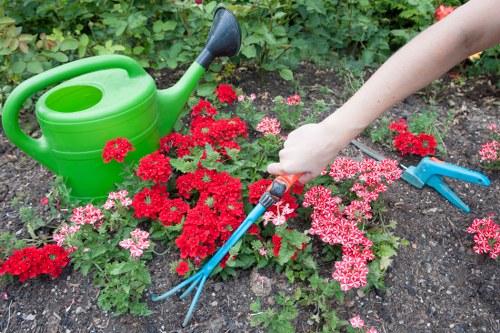
One of the most important parts of successful lawn care in Harlington is understanding the environment the grass is growing in. Harlington gardens may face a mix of sun and shade, varying soil quality, and exposure to foot traffic, pets, and seasonal rainfall. These factors influence how often the lawn should be watered, mown, fed, and treated for weeds or moss.
Soil structure matters a great deal. Clay-heavy ground tends to hold water and compact more easily, while lighter soils may drain quickly and need more frequent feeding. If the lawn has areas that dry out in summer or stay damp after rainfall, those symptoms can point to drainage or compaction issues. Effective lawn care Harlington services often begin with a close inspection of the ground, because healthy grass depends on healthy soil.
Light levels are another key factor. Some parts of a garden may get full sun, while others remain shaded by fences, trees, or nearby buildings. Grass growing in shade usually develops more slowly and may require different seed mixes, less aggressive mowing, and a more careful feeding plan. In practical terms, Harlington lawn care should always be tailored rather than treated as a one-size-fits-all job.
Why local expertise matters
A lawn in Harlington can behave differently from one in another part of London or the surrounding area. That is why local knowledge is useful. An experienced lawn specialist understands how to adjust care according to seasonal weather, common grass types, and the usual issues seen in local gardens. This can save time, reduce waste, and improve results across the year.
- Improved timing for feeding and mowing
- Better treatment of moss and weeds
- More accurate aeration and overseeding plans
- Stronger results from routine maintenance
Core Lawn Care Services in Harlington 
There are several essential services that form the foundation of effective lawn care in Harlington. These tasks work together to keep grass healthy, tidy, and durable. Regular mowing is the most visible of them, but it is only one part of the overall process. When combined with feeding, scarification, and seasonal maintenance, mowing supports a much better long-term result.
Mowing should be done at the right height for the grass type and the season. Cutting too short can stress the lawn, especially during warm or dry periods. Cutting too high may leave the lawn looking untidy and can encourage thatch buildup. A well-managed Harlington lawn care plan keeps grass at an ideal height, helping it grow thick enough to resist weeds while still allowing sunlight and air to reach the base.
Edging is another useful service that gives the lawn a neat border around paths, driveways, flower beds, and patios. Clean edges help the whole garden look well maintained, even when the grass itself is still recovering. For many residents, lawn care Harlington is as much about presentation as it is about plant health, and edging is one of the quickest ways to improve the overall appearance.
Typical services that support lawn health
- Mowing and edging
- Feeding and fertilising
- Weed and moss control
- Aeration and scarification
- Overseeding and patch repair
- Seasonal lawn treatments
These services can be arranged as part of a regular schedule or used as targeted treatments when the lawn starts to show signs of stress. In many cases, the best results come from combining several of them over time.
Seasonal Lawn Care in Harlington 
The needs of a lawn change throughout the year, so lawn care in Harlington should follow the seasons rather than rely on a fixed routine. In spring, lawns usually need recovery after winter. That may involve clearing debris, applying feed, and addressing moss or bare patches. Spring is also a good time for overseeding and aeration, as grass begins active growth and can recover more quickly.
During summer, the main focus is often maintaining resilience. The weather may become warmer and drier, so lawns can suffer from heat stress or become patchy if cut too short. A good lawn care Harlington strategy in summer usually includes slightly higher mowing, careful watering, and avoiding unnecessary stress. Lawns that are walked on heavily may also need attention to compacted areas or worn sections.
Autumn is a valuable season for repair and preparation. As temperatures cool and rainfall becomes more regular, it is often the best time to feed the lawn with an autumn treatment that strengthens roots rather than encouraging soft, top-heavy growth. Scarification, aeration, and overseeding are also useful in this period. Strong Harlington lawn care in autumn helps the grass enter winter in better condition.
Winter lawn care priorities
In winter, the lawn generally grows more slowly, but it still needs protection. Excess foot traffic on wet ground can lead to compaction and damage. Fallen leaves should be removed, and mowing should be reduced or stopped depending on growth levels. Lawn care in Harlington during winter is mostly about prevention: preventing rot, preventing compaction, and preventing the spread of disease.
It is also wise to avoid aggressive treatments when the ground is frozen or saturated. Good timing is essential. A careful seasonal schedule helps keep the lawn in better condition all year, reducing the amount of repair needed later.
Soil Health, Feeding, and Watering 
Healthy grass starts below the surface. Soil structure, nutrient balance, and moisture levels all have a direct impact on the quality of lawn care in Harlington. If the soil lacks nutrients or becomes too compacted, the grass will struggle even if mowing and edging are done regularly. That is why soil improvement is one of the most valuable parts of any lawn maintenance plan.
Feeding should be matched to the season and the condition of the lawn. A spring or summer fertiliser is usually designed to encourage green growth, while an autumn feed supports root strength and winter hardiness. Overfeeding can be just as unhelpful as underfeeding, so the right product and timing matter. Professional Harlington lawn care often includes soil testing or close visual assessment to guide feeding choices.
Watering also requires balance. Too little water leads to dry, stressed grass; too much can encourage shallow roots and disease. In many gardens, established lawns need less watering than people expect, especially when managed correctly. Deep but infrequent watering is generally more effective than frequent light watering. This helps roots grow deeper into the soil, which supports long-term resilience.
Signs your lawn may need soil attention
- Pale or slow-growing grass
- Puddles that linger after rain
- Hard, compact ground
- Patchy growth in the same areas each year
- Excess moss or thatch buildup
These issues often point to the need for aeration, feeding, drainage improvement, or a combination of treatments. Thoughtful lawn care Harlington services address these causes rather than simply masking the symptoms.
Dealing with Weeds, Moss, and Bare Patches 
Weeds and moss can quickly make even a tidy garden look neglected. They also compete with grass for light, space, nutrients, and moisture. In a lawn care plan, these problems should be dealt with in a practical and ongoing way. Effective lawn care in Harlington does not depend on one-off treatment alone; it relies on reducing the conditions that allow weeds and moss to thrive.
Moss often appears where the lawn is shaded, damp, compacted, or lacking in nutrients. Removing moss is only part of the solution. The longer-term fix is usually to improve drainage, aerate the soil, and adjust mowing and feeding practices. This is why lawn care Harlington services often include scarification and aeration, which help reduce thatch and open up the surface to air and moisture.
Weeds can be managed in several ways depending on the type and severity of the problem. Some lawns benefit from selective weed control, while others need a more holistic improvement plan that strengthens grass density so weeds have less space to establish. A thick, healthy lawn is naturally better at resisting weed invasion, which is why strong Harlington lawn care focuses on root health and coverage, not just visible appearance.
Repairing thin or damaged areas
Bare patches may appear after pet damage, drought, heavy use, or disease. Repairing them often involves raking the area, improving the soil surface, and applying seed or turfing where needed. Overseeding can also help fill in thinning grass before weeds take hold. In many cases, lawn care in Harlington is most effective when patch repair is carried out early, before the damage spreads.
For larger damaged sections, it may be worth reviewing whether the original lawn type is suitable for the conditions. Shaded or high-traffic areas may need a more resilient seed mix to cope better over time.
Why Regular Maintenance Outperforms Occasional Work
One of the most common mistakes in garden upkeep is waiting until the lawn looks poor before acting. While emergency treatments can help, regular maintenance delivers better and more reliable results. With lawn care in Harlington, routine attention keeps small issues from becoming expensive or time-consuming problems. A lawn that is cared for consistently is more likely to stay dense, weed-resistant, and visually appealing.
Regular mowing encourages even growth and helps prevent the lawn from becoming stressed. Routine feeding supplies the nutrients grass needs to recover after cutting and to grow strongly through active periods. Seasonal aeration, scarification, and overseeding keep the structure healthy and reduce thatch buildup. Together, these activities form the backbone of effective Harlington lawn care.
Another benefit of regular maintenance is predictability. You can see trends before they become major issues. For example, if a certain section is always wetter, thinner, or more prone to moss, that pattern can be addressed with the right solution. Good lawn care Harlington services are proactive, not reactive.
Benefits of staying consistent
- Cleaner and tidier lawn appearance
- Better resistance to weeds and moss
- Stronger root development
- Improved drought tolerance
- Reduced risk of patchy or unhealthy growth
Consistency also makes the lawn easier to manage in the long run. Once the grass is healthy, it usually requires fewer corrective treatments and responds better to light seasonal care.
How Professional Lawn Care in Harlington Supports Different Property Types
Not every lawn has the same purpose. Some are decorative, some are used by families and children, and others need to create a polished first impression for a property. Because of this, lawn care in Harlington should be flexible enough to suit different uses. A front lawn, for example, may need extra attention to edging and presentation, while a back garden may need stronger wear tolerance and patch repair.
For homes with pets or children, durability becomes especially important. Grass needs to recover from repeated use, which means stronger root systems and regular relief from compaction. In those cases, lawn care Harlington may involve more frequent aeration and overseeding. Lawns in formal gardens may focus more on visual precision, with careful mowing patterns and crisp edges.
Commercial or shared outdoor spaces have their own requirements. Safety, appearance, and ease of maintenance may all matter. In these settings, Harlington lawn care can be planned around usage patterns so the grass remains presentable and functional without excessive downtime.
Choosing the right care approach
Some lawns benefit most from a light but regular upkeep plan. Others need renovation-level work first, followed by maintenance. That might include a combination of scarification, soil improvement, reseeding, and targeted weed control. The right plan depends on the lawn's current condition, the expected use, and the time available for care.
When the approach is tailored correctly, the lawn becomes easier to maintain, more attractive to look at, and more resilient in changing conditions.
Common Lawn Problems and What They Usually Mean
Many lawn issues have simple visible signs, but the underlying cause is not always obvious. Brown patches may be due to drought, pest activity, disease, or poor drainage. Thin growth may indicate compacted soil, lack of nutrients, or low light. Heavy moss could point to shade and dampness, while broadleaf weeds often suggest that the turf is too sparse to compete effectively. Recognising these signs is an important part of lawn care in Harlington.
If a lawn remains unhealthy despite regular mowing, the problem may be happening below the surface. In those cases, a structured review of soil health, mowing height, feeding schedule, and drainage is useful. Lawn care Harlington should not be about guesswork. It should be a logical response to what the grass is showing.
Early action usually leads to better outcomes. Small bare areas are easier to repair than large ones. Light moss growth is easier to control than a lawn fully overrun with it. Minor compaction can often be corrected before it causes widespread decline. That is one reason why Harlington lawn care is best approached as an ongoing process rather than a seasonal emergency.
Watch for these warning signs
- Grass turning dull, pale, or yellow
- Repeated weed outbreaks in the same areas
- Thick spongy layers at the soil surface
- Poor recovery after mowing or heavy use
- Uneven growth across the lawn
Creating a Lawn Care Routine That Works
A practical lawn routine does not need to be complicated. In fact, the most successful lawn care in Harlington often comes from a few well-timed actions carried out consistently. Weekly or fortnightly mowing during the growing season, regular checks for weeds and moss, seasonal feeding, and periodic aeration can make a noticeable difference. Once the routine is established, the lawn usually becomes easier to manage.
It can help to divide tasks into weekly, monthly, and seasonal priorities. Weekly tasks usually include mowing, edging, and visual inspection. Monthly tasks may involve checking for compaction, feeding if needed, and monitoring problem areas. Seasonal tasks involve scarification, overseeding, and more specialised treatments. A structured Harlington lawn care routine keeps the lawn on track without unnecessary effort.
For people with busy schedules, it is often more effective to use a professional maintenance plan than to attempt irregular treatments. Regular expertise ensures tasks happen at the right time and in the right order. That is especially useful when dealing with challenging areas, ongoing weed pressure, or lawns that have suffered from neglect. With the right support, lawn care Harlington can become much more manageable.
Why a Healthy Lawn Adds Value to a Property
A well-kept lawn is one of the first things people notice when they approach a property. It creates a sense of care, order, and pride in the outdoor space. In Harlington, where gardens may play an important role in day-to-day living, that visual impact matters. Strong lawn care in Harlington improves curb appeal while also making the garden more usable and enjoyable.
Healthy grass can also support the wider landscape. It frames borders neatly, complements planting schemes, and creates a soft, practical surface for walking and relaxing. Good lawn condition can make patios, paths, and flower beds stand out more effectively. In this way, lawn care Harlington contributes to the whole garden, not just the grass itself.
Long-term care also helps avoid bigger costs later. Replacing damaged turf, restoring compacted areas, or repairing large weed-infested sections can be more demanding than keeping the lawn healthy in the first place. That is why Harlington lawn care is both a visual improvement and a sensible investment in the property.
Simple ways to support lasting quality
- Keep mowing at the correct height
- Feed according to the season
- Improve drainage where needed
- Aerate compacted sections
- Repair thinning areas early
Final Thoughts on Lawn Care in Harlington
A good lawn does not happen by accident. It is the result of steady attention, practical timing, and care that responds to the real conditions of the garden. Whether the goal is a tidy front lawn, a safe family space, or a smart outdoor area that looks good year-round, lawn care in Harlington works best when each part of the process supports the next. Mowing, feeding, watering, aeration, weed control, and seasonal treatments all have their place.
By focusing on soil health, routine maintenance, and early problem-solving, homeowners can create a lawn that is stronger, greener, and easier to enjoy. If your grass is thin, patchy, mossy, or simply not looking its best, now is the right time to take action. Contact us today to improve your outdoor space and make the most of professional lawn care Harlington. Book your service now and give your lawn the consistent care it needs to thrive.
Harlington lawn care is not just about appearance; it is about creating a healthier, more durable garden for the long term. With the right approach, even challenging lawns can be transformed into attractive and resilient green spaces that support everyday life beautifully.