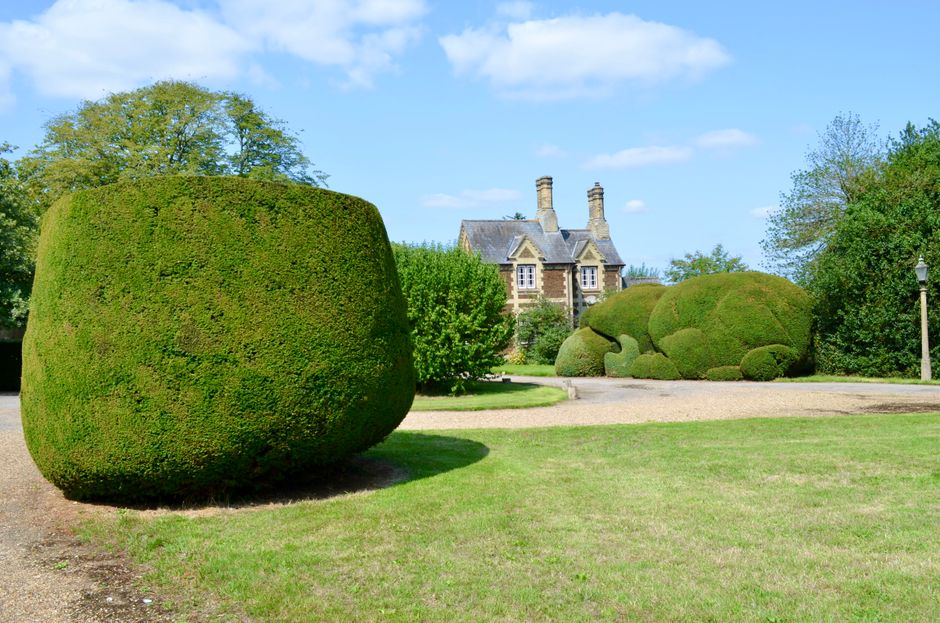
Local gardeners for Cranford estate properties Harlington

If you manage, own, or care for a Cranford estate property in Harlington, the garden is rarely just "outside space". It is curb appeal, privacy, safety, first impressions, and often the quiet bit of the property that has to work hardest through the year. That is why choosing local gardeners for Cranford estate properties Harlington is not simply a convenience. It is a practical decision that can save time, reduce plant loss, and keep the grounds looking consistently cared for rather than patched up at the last minute.
Estate gardens usually have their own rhythm. One section may need regular mowing, another careful hedge shaping, and another a bit of patience because the soil is tired or the planting is shade-heavy. Add weather swings, access points, boundaries, and the need to keep things neat without making the place feel over-managed, and you can see why local knowledge matters. In this guide, we will break down what good estate garden care looks like, how it works in practice, and what to ask for so you get dependable results rather than vague promises.
Why Local gardeners for Cranford estate properties Harlington Matters
Estate properties ask more of a gardener than a standard front-and-back garden, plain and simple. There may be long boundaries, shared views, mature trees, awkward slopes, formal planting beds, and lawns that need to look uniform from every angle. Local gardeners understand the seasonal changes in the Harlington area and can react faster when growth surges, rain lingers, or a dry spell leaves the borders looking tired.
The local part matters for a few reasons. First, response time: if a hedge starts looking ragged before a visitor event or a letting inspection, waiting a week or two can make a big difference. Second, familiarity: a gardener who regularly works nearby will often know how estate-scale gardens behave through spring, summer, and the colder months. Third, continuity: regular local care usually creates a calmer-looking property because the work is measured, not rushed.
There is also the human side. A local team is easier to brief in person, easier to contact, and easier to trust with repeat access. That might sound obvious, but for a gated property, a managed estate, or a home with outbuildings and multiple garden zones, trust is not a small thing. You want people who notice the details: the uneven lawn edge, the ivy creeping where it should not, the patch of compacted soil near a path, the shrub that is past its best and quietly dragging the whole scene down.
Practical takeaway: for estate properties, gardening is not just maintenance. It is presentation, consistency, and risk reduction all rolled into one.
How Local gardeners for Cranford estate properties Harlington Works
In most cases, the process starts with a site visit or a detailed discussion about the grounds. That first look is where a good gardener sees far more than grass and shrubs. They are checking access, drainage, exposure, lawn condition, hedge height, pruning cycles, weed pressure, and any plants that may be struggling because of shade or root competition.
From there, the work is usually divided into maintenance routines and project work. Maintenance covers recurring tasks such as mowing, edging, hedge trimming, border tidy-ups, weed control, and seasonal cut-backs. Project work may include replanting, turf repair, soil improvement, fence line clearance, patio refreshes, or a more complete garden redesign. If your estate property has formal areas and more naturalistic sections, the schedule may need to reflect that split.
A reliable workflow often looks like this:
- Assess the property and identify priority areas.
- Agree the scope, frequency, and access arrangements.
- Carry out the first tidy-up or restoration visit.
- Set a routine for repeat visits, usually weekly, fortnightly, or seasonal.
- Review the results and adjust the plan as the year changes.
That last part is where many people underestimate the value of local gardening. A border that looks fine in May may need very different treatment by August. Likewise, a lawn can be immaculate in early autumn and then look patchy after a wet winter if drainage and aftercare are ignored. The job is never really "done"; it just settles into a rhythm.
Key Benefits and Practical Advantages
There are obvious benefits, and then there are the ones people only notice once the work has been happening for a while. The obvious ones are simple: neat lawns, trimmed hedges, healthier plants, fewer weeds, and a better overall appearance. But for Cranford estate properties, the deeper value lies in reliability and control.
Better presentation without frantic catch-up work. Regular local maintenance prevents that classic situation where the garden is left for too long and suddenly needs a heroic tidy-up. You know the one: the green bin is full, the beds are overrun, and everything looks as if it has been left to fend for itself. With routine care, the property always looks ready.
Healthier planting over time. Skilled gardeners do more than cut things back. They spot disease, stress, root crowding, and soil problems early. That means fewer failed plants and less money wasted replacing shrubs that could have been saved with simple intervention.
Time saved for owners and managers. Estate-scale grounds are surprisingly demanding. Even a tidy-looking garden can need several hours of work each visit. Local gardeners take that weight off your shoulders, and to be fair, that matters a lot if you already have a full schedule.
Safer boundaries and access routes. Overgrown hedges, slippery patios, and poor visibility near paths can become minor hazards. Routine maintenance improves movement through the site and makes the property feel cared for rather than merely occupied.
More useful outdoor space. If there is room for seating, family use, entertaining, pets, or quiet time, good gardening can make the grounds feel lived-in rather than decorative only. For some owners, that is the difference between a property that looks pleasant and one that genuinely feels good to use.
Who This Is For and When It Makes Sense
This kind of service suits a fairly wide mix of people, though the reasons vary. Some need dependable maintenance for a long-term family property. Others are managing a rental or estate home that has to stay presentable for inspections, guests, or sales viewings. A few simply want the grounds to stop becoming a weekend burden.
It tends to make the most sense if any of these sound familiar:
- The garden is too large or too varied to manage properly on your own.
- You need regular mowing, hedge trimming, and border care, not just the occasional tidy.
- The property has formal areas that must look sharp and consistent.
- There are mature shrubs, trees, or climbing plants that need informed handling.
- You want the grounds to look cared for through the seasons, not just after a one-off blitz.
It also makes sense when you are trying to recover from neglect. A lot of gardens in estate-style settings do not need a full redesign; they need a sensible reset. If that is your situation, the article on refreshing an overgrown garden space is a useful companion piece, especially if the place has got a bit away from you.
One more thing. If you have pets, children, or frequent visitors, the layout of the garden becomes even more important. Paths, borders, play zones, and screening need to work together, not fight each other. That sounds obvious, yet it is where many properties get caught out.
Step-by-Step Guidance
If you are planning work for a Cranford estate property, the smartest route is to treat it like a proper garden management project. Not a one-off tidy. A project. Here is a practical way to approach it.
- Walk the property with fresh eyes. Make notes on what looks tired, what is overgrown, what is patchy, and what is simply missing.
- Separate needs into categories. Think in terms of lawns, hedges, beds, trees, paths, seating areas, and screening.
- Decide what must be fixed first. Often that means weeds, access routes, hedge height, or lawn recovery. Cosmetic work comes after the basics.
- Agree the maintenance rhythm. Weekly mowing may be essential in growing season, while some borders only need attention monthly or quarterly.
- Plan for seasonal changes. Spring growth, summer dryness, autumn leaf fall, and winter protection all require different handling.
- Review after the first cycle. A good gardener will adapt. If they do not, that is a clue in itself.
If the grounds include lawns that are patchy or thin, it may be worth looking at a focused lawn care plan rather than only cutting the grass. In our experience, that distinction is often what turns a merely neat lawn into one that actually holds up under use.
And if the estate includes more than one type of outdoor area, do not treat them all the same. A sun-baked front verge, a shaded side return, and a rear entertaining space can need very different plant choices and levels of attention. It is never as simple as "just tidy the garden", is it?
Expert Tips for Better Results
Good estate gardening is often about small judgment calls. The obvious work matters, yes, but so does timing and restraint. A few practical habits can make a big difference.
- Keep hedges on a cycle, not a crisis schedule. Once hedges are left too long, shaping becomes more severe and less elegant. Regular trimming usually gives a better finish, and it is easier on the plant too. If privacy and boundary definition are priorities, you may find the guidance on fast-growing hedges for privacy helpful.
- Use ground cover where borders keep failing. Some spots are simply too dry, too shady, or too awkward for high-maintenance planting. Ground cover can stabilise them and reduce weed pressure. That said, choose the right kind for the conditions, not the prettiest photo.
- Do not overfeed stressed plants. A plant struggling because of compaction or poor drainage will not magically recover just because more fertiliser is added. Fix the root issue first.
- Think about wind exposure. Estate gardens often have broad, open edges. Protective planting, screening, and selective staking can prevent a lot of damage. The article on creative wind protection ideas is worth a read if your site feels exposed.
- Prune with shape and purpose. Good pruning is not just cutting back growth. It is about improving form, airflow, and future health. A hedge that looks neat but has dead interior growth is only half-finished.
One slightly old-school but still very useful tip: keep a simple garden log. Nothing fancy. Just a note of what was done, when it was done, and what needs checking next. It sounds a bit organiser-ish, I know, but it stops repeat problems slipping through the cracks.
Common Mistakes to Avoid
Most garden problems on larger properties come from inconsistency. A missed month here, an overenthusiastic cut there, and suddenly the whole place looks out of balance. Some mistakes are especially common.
- Booking only emergency visits. This usually costs more in effort and creates more visible disruption.
- Assuming all plants need the same care. They do not. Shade lovers, sun lovers, and structural shrubs all behave differently.
- Cutting hedges and shrubs too hard. A severe trim can expose gaps that take ages to recover.
- Ignoring soil health. If soil is tired, wet, or compacted, the garden will keep underperforming.
- Leaving ivy and climbers unchecked. Once they settle in, they can be far more work than expected. If ivy is already becoming a nuisance, see these straightforward ivy control techniques.
- Choosing style over function every time. Pretty is great. Pretty that cannot survive a wet winter or a dry July, not so much.
Another common slip is forgetting that hard surfaces need attention too. Paths, patios, and decked areas collect algae, mud, and general grime, especially in shaded parts of the garden. That can make the whole space feel shabby, even if the planting is in good shape.
Tools, Resources and Recommendations
Good gardeners rely on a practical toolkit, not magic. For estate properties, the kit often includes professional-grade mowing equipment, sharp hedge trimmers, edging tools, secateurs, pruning saws, rakes, blowers, and safe transport for green waste. None of that sounds glamorous. It does sound effective.
If you are organising or supervising the work, these are the most useful things to have in place:
- A clear site map or simple note of access points and problem areas.
- A list of priorities for each visit.
- Any existing concerns about pets, locked gates, or fragile structures.
- Agreement on what should be removed, pruned, retained, or left alone.
- A plan for waste removal and seasonal follow-up work.
For owners who like to understand the practical side before making decisions, the site's pricing and quotes information is a sensible place to start, along with the general overview of gardening services if you want to compare what different jobs may involve.
Some properties also benefit from specialist support rather than a broad tidy-up. For example, mature trees, awkward boundaries, and older fencing can quickly become a maintenance bottleneck. In those cases, targeted help from tree surgery or fencing may be more valuable than trying to patch everything with general garden work.
If you are building a longer-term plan, the article on tools that elevate your gardening work is a handy read, especially if you like to know what should be used and why.
Law, Compliance, Standards, or Best Practice
For garden work on estate properties, compliance is mostly about safety, responsibility, and good professional practice. You do not need to turn the job into a legal seminar, thankfully, but you should expect whoever is working on the grounds to take sensible precautions seriously.
That includes safe handling of tools, awareness around ladders and elevated work, care when using machinery near paths or parked vehicles, and proper consideration of waste disposal. If a team is working near shared access routes or public-facing edges, visibility and housekeeping matter even more. No one wants loose clippings, hidden tools, or slippery debris left around.
Insurance is another basic expectation. A professional gardener should be able to explain how they manage risk on site and what procedures they use if something goes wrong. For many property owners, that reassurance is not just nice to have. It is essential. You can review the company's general insurance and safety approach and the health and safety policy if you want a clearer sense of how risk is handled.
There are also broader standards around fair business conduct and privacy. If you are sharing access details, payment information, or contact records, it is sensible to check the relevant policy pages, including privacy policy, payment and security, and the terms and conditions. Those pages matter more than people think, especially when repeat visits and ongoing maintenance are involved.
Best practice, in plain English, means this: clear scope, safe work, tidy finish, honest communication, and no surprises. That is the standard worth aiming for.
Options, Methods, or Comparison Table
Different properties need different approaches. Some only need routine maintenance. Others need restoration before any regular schedule makes sense. The table below gives a simple comparison.
| Approach | Best for | Strengths | Limitations |
|---|---|---|---|
| Routine maintenance | Established estate gardens that already look healthy | Keeps the property consistent, predictable, and manageable | Won't fix deeper problems on its own |
| Seasonal gardening visits | Gardens that need heavier work at key times of year | Good balance of cost and coverage | Less effective if growth is rapid between visits |
| Restoration and reset work | Overgrown or neglected estate properties | Creates a clean starting point for future care | Can take more time and may need follow-up |
| Specialist support | Problem areas such as trees, hedges, fencing, or paving | Targets the issue directly with the right skill set | Usually works best alongside broader maintenance |
For many Cranford estate properties, the best answer is a blended one: regular maintenance for the basics, plus targeted work when something starts to pull the rest of the garden off course. That tends to be the sweet spot. Not always glamorous, but very effective.
Case Study or Real-World Example
Imagine a large estate property in Harlington with a front lawn, mature boundary hedges, a side access path, and a rear garden used occasionally for family gatherings. At first glance it seems straightforward, but the reality is a bit messier. The lawn grows quickly after rain, the hedges start to look lopsided by mid-season, and the side path keeps collecting weed growth and damp debris. Nothing dramatic. Just enough to make the place feel slightly behind.
A local gardener would typically start by separating the site into zones. The front lawn gets a regular cut-and-edge rhythm. The hedges are brought back into shape carefully rather than hacked down. The side access is cleared, weeded, and made safer underfoot. Borders are rebalanced with plants that can cope with the conditions instead of fighting them every year. If the rear area is used for seating, it may be paired with a simple design refresh so it feels more inviting rather than just tidy.
What usually changes first is not the size of the garden but the feeling of it. It becomes calmer. The edges look deliberate. The planting reads as intentional. And yes, the owner stops having to think, "I really must deal with that this weekend." That alone can be a relief. A proper one.
For more inspiration on shaping a usable outdoor setting, the guide to functional and elegant seating areas is especially relevant if your grounds need to work harder for everyday life, not just for appearances.
Practical Checklist
Use this checklist before you book or brief a gardener for estate property work.
- Walk the garden and note the areas that cause the most concern.
- Identify whether you need routine maintenance, a restoration visit, or both.
- List any hedges, trees, lawns, borders, or patios that need priority attention.
- Check whether the property has access, safety, or storage constraints.
- Decide how often the grounds should be reviewed through the year.
- Ask how waste removal is handled.
- Confirm that insurance and safety practices are in place.
- Make sure the scope of work is clear enough to avoid surprises later.
- Set a simple follow-up plan after the first visit.
- Keep a record of seasonal jobs, especially pruning, hedge shaping, and lawn treatments.
If you want a slightly broader view before deciding, the main about us page can help you understand the team behind the service, while the contact page is the natural next step if you are ready to discuss your property in more detail.
Conclusion
Local gardeners for Cranford estate properties Harlington are valuable because they bring more than labour. They bring timing, familiarity, and a practical feel for what a property needs in real life. For estate gardens, that matters a lot. The difference between "tidy enough" and genuinely well managed is often consistency, not a dramatic makeover.
Whether your priority is presentation, safety, privacy, or simply getting the grounds back under control, the best approach is measured and local. Start with the urgent issues, build a sensible routine, and use specialist help where it genuinely adds value. That way the garden does not just look better for a week. It stays better.
Get a free quote today and see how much you can save.
And if you are still weighing it up, that is fine too. Good estate garden care is rarely a snap decision. It usually begins with one clear conversation and a walk around the space. Sometimes that is all it takes to see what the property has been needing all along.
Frequently Asked Questions
What do local gardeners for Cranford estate properties Harlington usually handle?
They typically manage lawn mowing, hedge trimming, border care, weed control, pruning, seasonal tidy-ups, and larger maintenance tasks such as restoring neglected areas or supporting landscaping changes.
How often should an estate garden be maintained?
It depends on the size of the property, the planting style, and the season. Many estate gardens need weekly or fortnightly attention during the growing months, then less frequent but more targeted visits in colder periods.
Is a one-off garden tidy enough for an estate property?
Sometimes it helps as a reset, but usually it is not enough on its own. Estate grounds tend to look best when one-off restoration is followed by a regular maintenance schedule.
What should I ask before hiring a gardener for a larger property?
Ask about experience with estate-scale work, insurance, tools, waste removal, access arrangements, seasonal care, and how they handle specialist tasks such as hedge work or tree-related jobs.
Can local gardeners help if the garden is badly overgrown?
Yes. A sensible gardener will usually start with a clearance or restoration phase, then move into ongoing maintenance so the same problems do not keep coming back.
Do estate gardens need different care from smaller home gardens?
Usually, yes. Larger grounds often have more variation in soil, light, access, and planting style, so a more structured plan is needed. They also tend to need more consistency.
How do I know if I need lawn care rather than just mowing?
If the grass is patchy, weak, mossy, or slow to recover, mowing alone will not solve it. A broader lawn care plan is usually more useful because it addresses the condition of the turf itself.
What if my property has mature hedges and trees?
That is common on estate properties. Mature growth often needs careful management rather than heavy cutting, and in some cases specialist support for hedge or tree work is the smarter route.
Are local gardeners useful for privacy and screening?
Very much so. They can help shape hedges, maintain boundary planting, and recommend screening that feels natural rather than overbuilt. Privacy is often about balance, not just height.
Can gardeners help make outdoor spaces more usable, not just neater?
Absolutely. Good gardening can improve seating areas, paths, planting layouts, and the flow between different zones. That is often where the garden starts feeling like part of the property rather than a separate chore.
What should I do if I am unsure where to start?
Begin with the most visible and most problematic areas: lawns, hedges, access paths, and any borders that look tired or overrun. A short site discussion and a clear priority list go a long way.
How do I get the best long-term results from a gardener?
Keep the scope clear, stick to a seasonal schedule, and review the work after each visit. Good results usually come from repeat attention rather than one big tidy followed by silence.